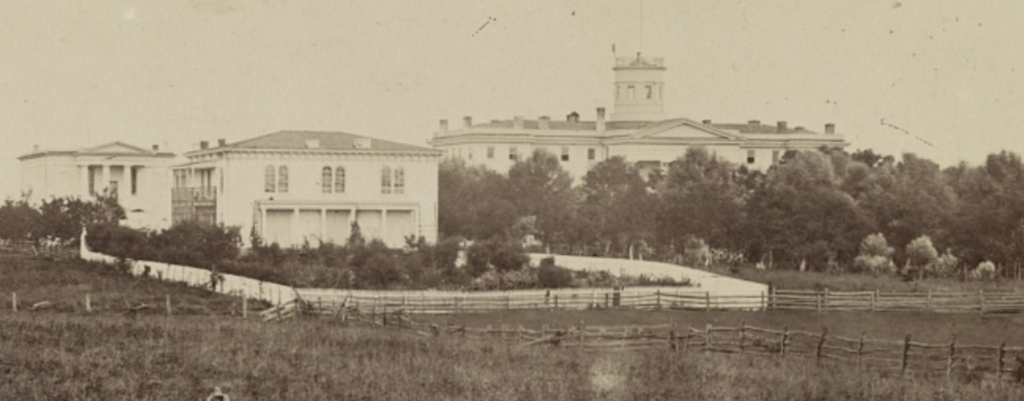
The history of Pennsylvania College is quite elaborate with buildings, personal backgrounds, and the paranormal. The very first building built on campus is Pennsylvania Hall, which was built in 1838. It is still being used today and is the center-point of the university. New underclassmen and graduates pass through this building to witness history and explore the future with their walk on the very first and last day on campus. Let’s explore the unique history of the college.
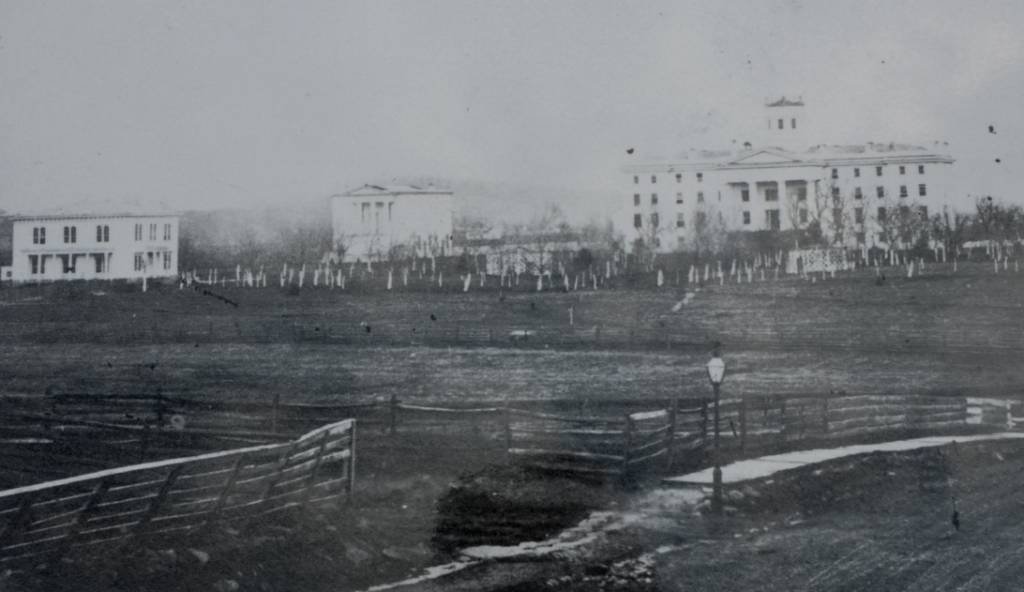
In 1860, the now known Alumni House served at the residence of the second president of the Pennsylvania College. The second president of the college was Henry L. Baugher. According to his past, he didn’t want to stay within Pennsylvania Hall with the students. The “white house” of the campus was just right next door. Even though the Civil War didn’t arrive into Gettysburg till the end of June and early July 1863, the war had already affected the family of the college.
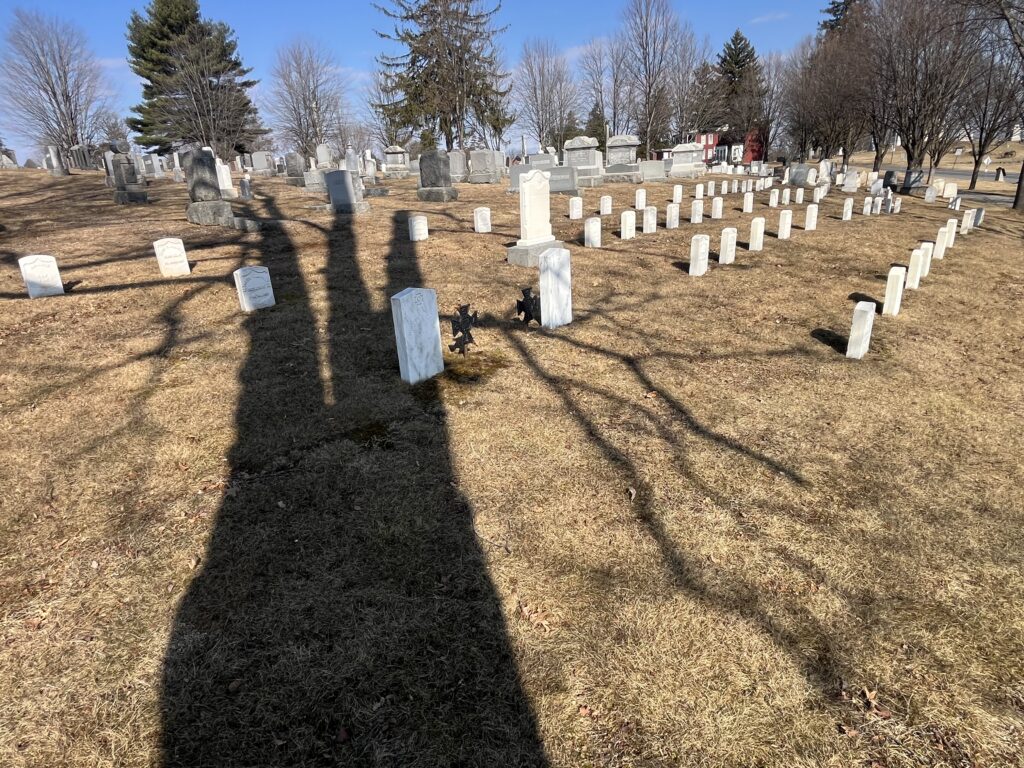
Their son, Alexander Nesbitt Baugher, graduated from Pennsylvania college in 1853 prior to his move to Illinois. He was a lawyer there, and married to his wife, Martha. The war started in April 1861, and he signed up for the Union army. He joined as a member of Company B within the 45th Illinois infantry in August 1861. However, less than a year into the war, in April 1862, the battle of Shiloh, Tennessee occurred. Here, D. Nesbitt Baugher was wounded seven times during the battle. He was taken to a civil war hospital in Quincy, Illinois, and died on May 12. His father, Henry Baugher, traveled to Quincy, picked up his body, and brought it back to Gettysburg. He is buried within Evergreen Cemetery, along with his wife Martha Ann.
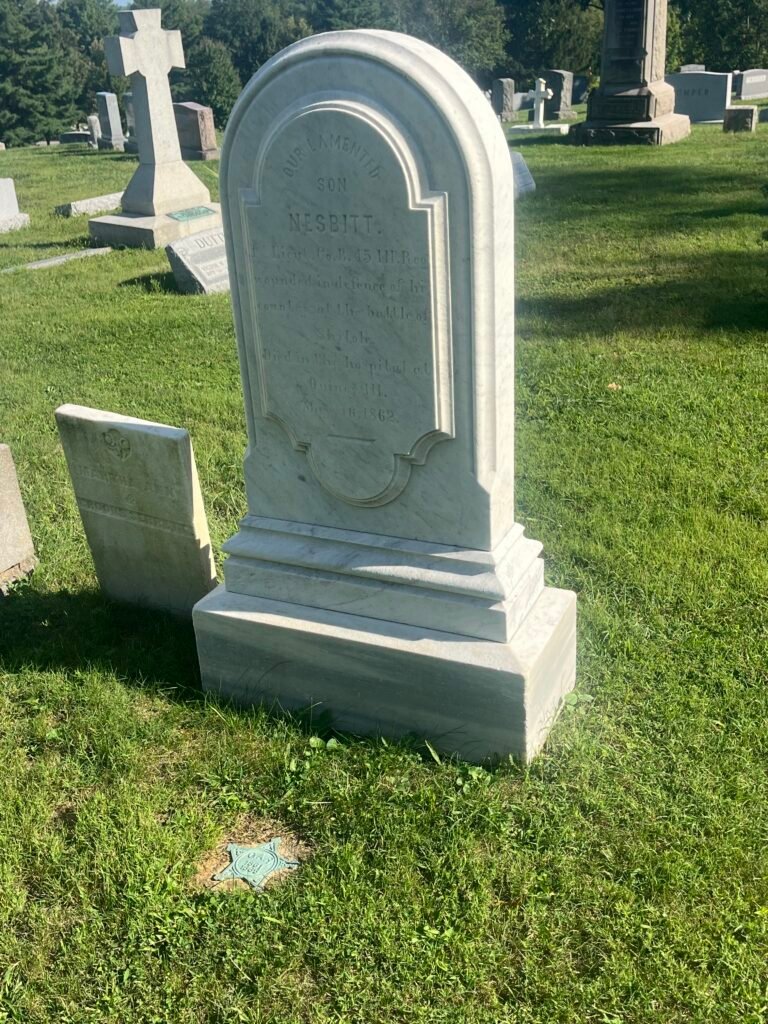
During the Battle of Gettysburg, Baugher and his family cared for 18 wounded Union soldiers in their home and successfully hid one officer from Confederate searches during the town’s occupation. Both Mr. and Mrs. Baugher are buried in Evergreen Cemetery, next to their beloved son.