
With the heat and humidity in place across southern Pennsylvania, soldiers were usually smelled out before seeing them. The odor that was smelt was that of sweat, hard work, and determination to find honor and victory against the enemy. In 1863, soldiers had to endure the heat that had been building for days. Temperatures in the upper 80s with humidity’s in the middle to upper 60s, with a real-feel temperature near 100. Wool uniforms, black or navy hats, barely any water caused dehydration, heat stroke, and heat related symptoms on the body. However, they still walked to Gettysburg from miles away and fought a three-day battle causing over 50,000 causalities.
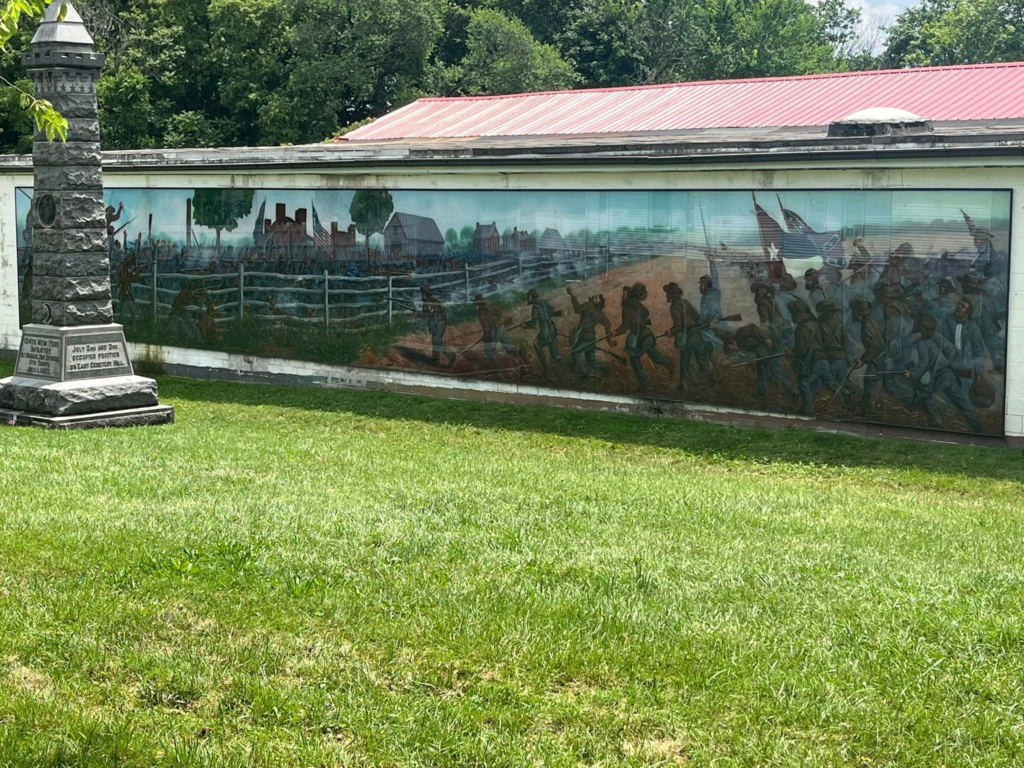
Looking ahead to 2026, the first heat wave is starting to entrench itself across southern Pennsylvania. The last time that the area has had temperatures over 100 degrees in the first few days of July was in 1966. From July 2nd to July 4th, temperatures reached over the century mark.
Looking forward 40 years, the last time consecutive days with temperatures over 100 degrees was in 2011, but was on July 21 and 22nd.
With that said, the Gettysburg National Military Park has put into heat related protocol for these types of weather events. Soldiers didn’t have weather instruments to tell them that they were “hot” or being affected by the weather. They had some water and the shade of the trees.
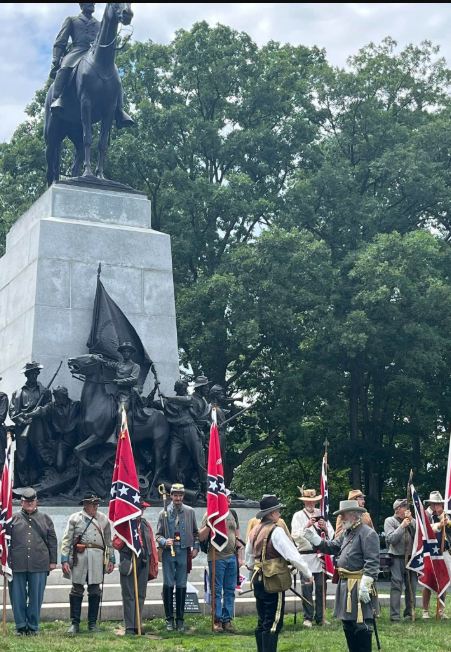
People still must remember the sacrifice of what happened here. Even though the events and battle-walks may be cancelled outside and are now moved inside the Visitor Center, I’m assuming that many will still explore the battlefield, and hopefully walk with Pickett’s Charge on July 3rd and leave from the North Carolina or Virginia monuments.