
The start of the 164th anniversary of the Antietam/Maryland Campaign begins. Remembering the soldiers trekking through the wilderness northward to give farmers some time to recover from warn-torn Virginia would have been a sight to see. Multiple battles were fought throughout Virginia in 1861 and 1862, and the Confederate Army needed to give their citizens a brief break. This would be Confederate Robert E. Lee’s first invasion of the North.
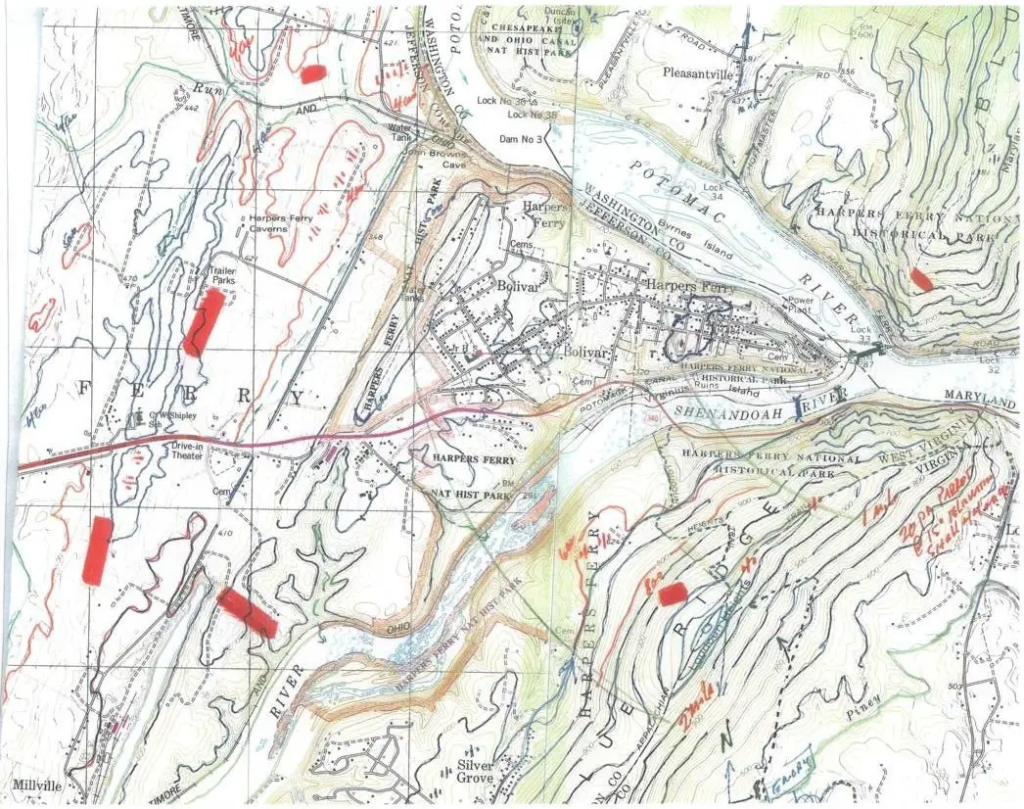
The Confederate army containing approximately 55,000 soldiers traveled across the Potomac River on September 4, 1862, into the vast lustfulness of Mary-land. On their heels were the Union under the commander of General George McClellan and his army of around 84,000 soldiers at his disposal. Lee’s goal was to move into Pennsylvania, but the Union had other plans. The Union garrison that was within Harper’s Ferry was close enough to Virginia that they may threaten the supply lines and telegraph system that would be supporting the Confederate advances.
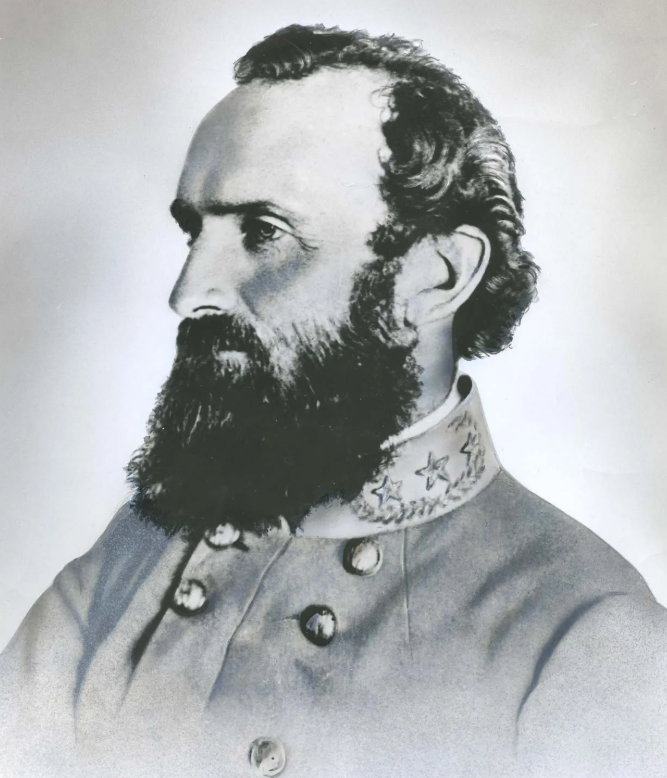
Confederate forces surrounded the town and captured the Union garrison stationed there. Overall, the Union forces surrendered 73 artillery cannons, 13,000 rifles, and approximately 12,000 soldiers. The commanding officer of the Confederacy at Harper’s Ferry was General Stonewall Jackson. His victory was one of the greatest of his storied career and resulted in the largest surrender of Union soldiers during the war.
Three other battles occurred in Mary-land prior to the battle of Antietam that happened on September 17th. They were the battles of Crampton, Fox, and Turner’s Gap which are also known as the Battle of South Mountain. These battles happened only three days before the Antietam. The battle of South Mountain halted the Confederate invasion of the North, and began for General Lee to concentrate his forces around Antietam.