Skip to content

Gettysburg Chronicles

History Explained

  • Home
  • Gettysburg
    • History of Adams County
    • Samuel Gettys
    • Call to Arms
    • Days Before The Battle
  • Tales to War
    • July 5th: Tillie Pierce Tale
    • 57th Pa.: Letter to Mother
    • 24th Mich.: Abel Peck
    • 24th Mich.: Charles Bellore
    • 1st Rifles: Colonel Taylor
    • 7th Mich.: Allen Zacharias
    • 1st Michigan: Amos Ladd
  • Confederate
    • South Carolina
    • Mississippi Monuments
    • Florida’s Involvement
    • Spirit of Alabama
    • Georgia – The Peach State
    • Louisiana Secedes
    • Lonestar State
    • North Carolina
    • Virginia Secedes
    • Arkansas
    • Tennessee – Last to Join
    • Maryland – Border State
  • Union
    • First Shot Marker
  • Michigan
    • Michigan Cavalry
    • Farnsworth’s Cavalry
    • 9th Michigan Battery
    • 7th Michigan Infantry
    • 24th Joins Iron Brigade
      • 24th Before Fredericksburg
      • 24th Mich. to Gettysburg
      • 24th Michigan – July 1st
      • 24th Michigan Losses
    • 1st Michigan Infantry
      • 1st Michigan Arrives
      • Michigan Pulls Back
      • First Michigan
    • 3rd Michigan
      • Lost soldiers of the 3rd
    • 4th Michigan
      • Harrison Jeffords
      • Defending the Flag
      • Lost Wolverines
  • Artillery
    • Different Ammunition
    • Real vs. Fake Cannons
    • Six Pound Shot Cannon
    • Cannons at Devil’s Den
    • Rochester Union Grays
    • Fallen Rochester Grays
  • Civil War Locations
    • Crampton’s Gap, Md.
    • Fox’s Gap, Md.
    • Turner’s Gap, Md.
    • Andersonville, Ga.
    • Navy – Hampton Roads, Va.
  • Photographs
  • Abraham Lincoln
    • Lincoln Visits Antietam
    • Emancipation Proclamation
    • November 1863
    • Gettysburg Address
    • John Wilkes Booth
    • The Kidnapping Plan
    • Ford’s Theatre
    • Death of Abraham Lincoln
    • Death of an Actor
    • Tribunal Results
  • Lost Commanders
    • Stonewall Jackson
      • Spring of 1862
      • Fall of 1862
      • Winter of 1862
      • Family
      • Life After Stonewall
      • Descendants of Jackson
      • Stonewall’s Grandson Tree
    • John F. Reynolds
      • California Love
      • Reynolds Arrives
      • Morning of July 1st
      • July 1st to July 3rd
      • Ms. Mary “Kate” Hewitt
      • Daughters of Charity
  • Anniversaries
    • Battlefield Walks
    • 150th Anniversary – 2013
    • 152nd Anniversary – 2015
    • 157th Anniversary – 2020
    • 158th Anniversary – 2021
    • 162nd Anniversary – 2025
    • 163rd Anniversary – 2026
    • Scorching Heat – 2026
  • Buildings
    • Cashtown
      • July 1863 in Cashtown
      • Cashtown: Since 1863
    • Soldier’s Orphanage
      • Brickyard Fight
      • 154th New York
      • Amos Humiston
      • Rosa Carmichael
    • Houses of the Wades
    • Field Hospitals
      • St. Francis Xavier Church
      • St. James Lutheran Church
    • The House on the Hill
      • Louisiana Tigers
    • Sach’s Bridge
    • Weikert Family Farms
    • Welty House
    • Farnsworth House
    • Winebrenner History
  • Railroads
    • G&H Railroad
    • Western Maryland Railroad
    • Location of the Spur
    • Gettysburg Electric Trolley
    • Trolley South of Town
    • Railroad to Round-Tops
  • Paranormal
    • Paranormal Equipment
    • Spirits at the Cashtown Inn
    • Pictures on the Bridge
    • Live: Sachs Covered Bridge
    • Haunted Orphanage
    • McClellan’s Duplex Kitchen
    • Spirits at the Farnsworth
    • Spirits at Tillie Pierce Inn
  • Wade Family
    • Thaddeus Filby
    • Rise of the Captain
    • Trouble with the Law
    • Jennie Wade
    • Newspaper Articles
    • Gravesites of Jennie Wade
    • Samuel and Harry Wade
    • James John “Jack” Wade
  • Georgeanna McClellan
    • Extended McClellan’s
    • Iowa Family – Lewis
    • World War II POW
    • Jennie Wade McClellan
    • Nellie McClellan
    • John McClellan
  • Jim B. McClellan
    • Georgia W. McClellan
      • Dallas Schwarzenbach
        • Children of Dallas
        • Donald Schwarzenbach
    • Nellie Glady McClellan
    • Mary Wade McClellan
    • Martha B. McClellan
      • Sarah Isobel Holland
      • Martha’s Other Children
      • Glady Elizabeth Holland
    • Beese Everyln McClellan
    • Sons of Jim Britton
    • Military Ancestors
  • Families
    • Thorns
      • Evergreen Cemetery: August 1862 to June 1863
      • Gettysburg: June 26, 1863
      • Evergreen Gatehouse
      • Thorn’s Family Tree
      • Descendants of the Thorns
      • Aftermath of Battle
      • Thorn Important Locations
    • Pierce Lineage
      • McCurdy to Pierce Tree
      • James Shaw Pierce
      • William H. Pierce
      • Tillie Pierce
        • Last Week of June 1863
        • Tillie’s Accounts – July 1st
        • Wounded Everywhere
        • Hospital – Pierce House
        • Alleman’s Family
    • Garlach Family
      • Soldier Hiding with Pigs
      • Anna Garlach
    • Shriver Family
      • Weikert’s Connection
      • Union Calvary Disaster
      • Father’s Death
      • Henrietta’s New Life
    • Leister Family Origins
      • Lydia Study Leister
      • July 1st – Lydia’s Home
      • Leister’s House
  • Questions
  • Toggle search form

Tag: Gettysburg

Search for Food

Posted on August 21, 2026 By BD No Comments on Search for Food

Soldiers of both armies arrived into Maryland and Pennsylvania looking for their foe and to fight for their beliefs. Present day people have to remember though that they had to forge for their food and their shelter once they made camp. Thousands of soldiers looking for food, with the lack of water. There was plenty of food for the animals, like the horses and the donkeys, but not enough for the walking soldiers.

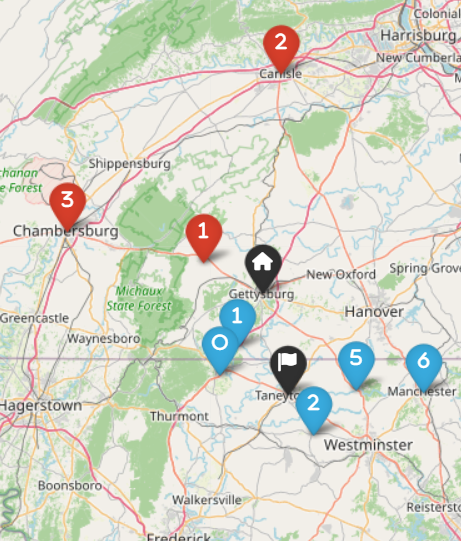
Location of Confederate Corps (red) and Union Corps (blue)

Confederate Corps were in Cashtown, Carlisle, and Chambersburg. Union Corps were just south of Gettysburg, the 11th Corps in Emmitsburg (0), and the remainder Union Corps in northern Maryland.

Soldiers would look through the farms and the orchards in search of harvested food. Food was plentiful across Adams County in late June and early July. Farmers would have had apples, grapes, corn, onions, cherries, blackberries, strawberries, blueberries, plums, dandelion greens, zucchini, cucumber, possibly some early pumpkins for picking as they walked through fields. Some of the meat they could have taken were fish, turkeys, chickens, cows, and lame horses.

However, not having enough fruits in your diet caused soldiers to have scurvy. Early symptoms generally include the lethargy, fatigue and painful limbs especially the legs. In more advanced stages, receding gums and loss of teeth can occur.

One Union soldier from the 157th New York, from a diary entry from Captain William Saxton, stated that “The constant use of salt meats and hard bread, with scarcely any vegetables, had a great tendency to produce scurvy or at least its symptoms.” Fruits such as strawberries, dewberries, and apples made the symptoms disappear due to vitamin C to grow healthy bones and feel better overall.

Uncategorized

3rd Michigan

Posted on August 12, 2026 By BD No Comments on 3rd Michigan

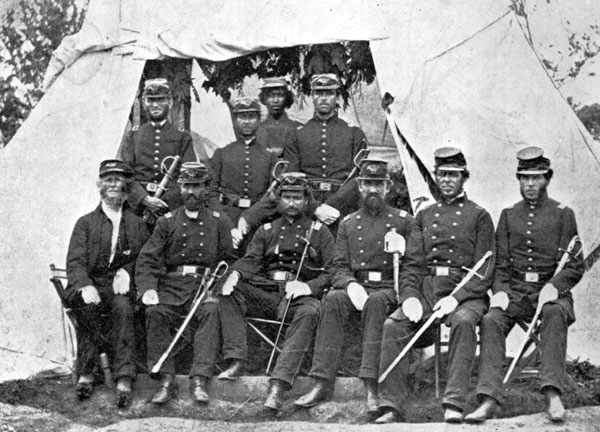
This regiment was mustered into service within the first few months of the Civil War in June 1861. They first organized in the fairgrounds south of Grand Rapids, and then left for Washington D.C. on June 13th. This regiment was consisted of soldiers from Kent, Iona, Ingham, Muskegon, and Ottawa counties which surrounding the countryside around Grand Rapids. This first commander of this regiment was Col. Daniel McConnell, pictured below. He had some military experience within the Mexican War.

Courtesy of Ancestory.com: Col. Daniel McConnell (seated 3rd from left)
3rd Michigan Infantry

When they departed for Washington D.C., the 3rd Michigan infantry regiment had 1,040 soldiers and officers. They took the same type of transportation to get from Michigan to Washington D.C. like their previous Michigan regiments. They left Grand Rapids on railroad to Detroit, boarded a steam ship to Cleveland, and then rode the rails the rest of the way to their destination. The 3rd Michigan arrived in Washington D.C. on June 16th, 1861.

The 3rd Michigan was at the battle of Manassas in July 1861, but only in reserves. Due to unpopular interactions with the soldiers and ill health, Col. Daniel McConnell resigned his commission on October 22, 1861. His next in line, Stephen G. Champlin was promoted to colonel the very same day.

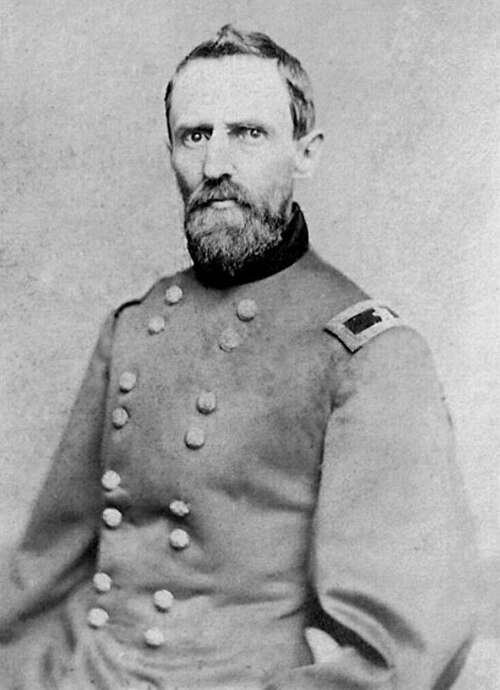
Stephen G. Champlin

Their first real battle was the battle of Fair Oaks or also called Seven Pines in early June 1862. They would have 30 soldiers killed, 124 wounded, and 15 missing. Col. Champlin was wounded in the hip, and received a 30-day furlough, and then returned to commanded the 3rd Michigan. In August 1862, at the 2nd battle of Manassas, his hip injury returned and he went back on medical leave. Due to the injury, a new commander had to be chosen. The commander that started out as Captain Bryon Root Pierce of Company K, would now become Lieutenant Colonel of the 3rd Michigan.

Detroit, Gettysburg, Grand Rapids, Michigan, Railroad Maps

1st Michigan – August 1861

Posted on August 10, 2026August 11, 2026 By BD No Comments on 1st Michigan – August 1861

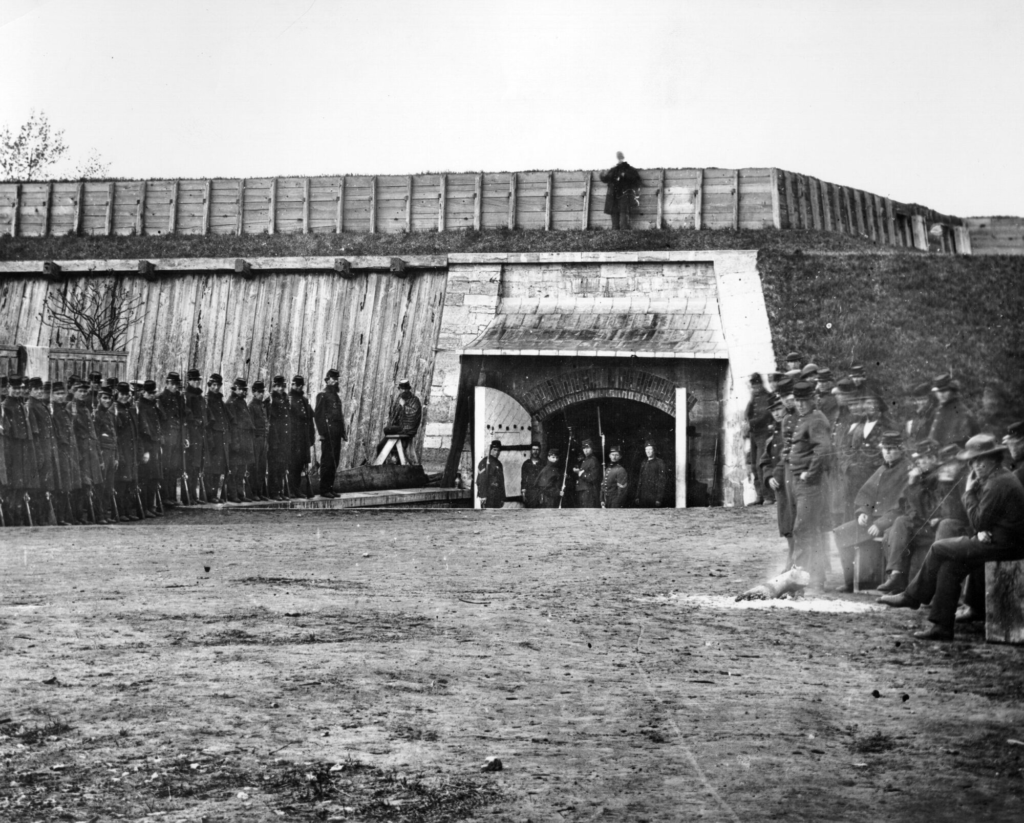
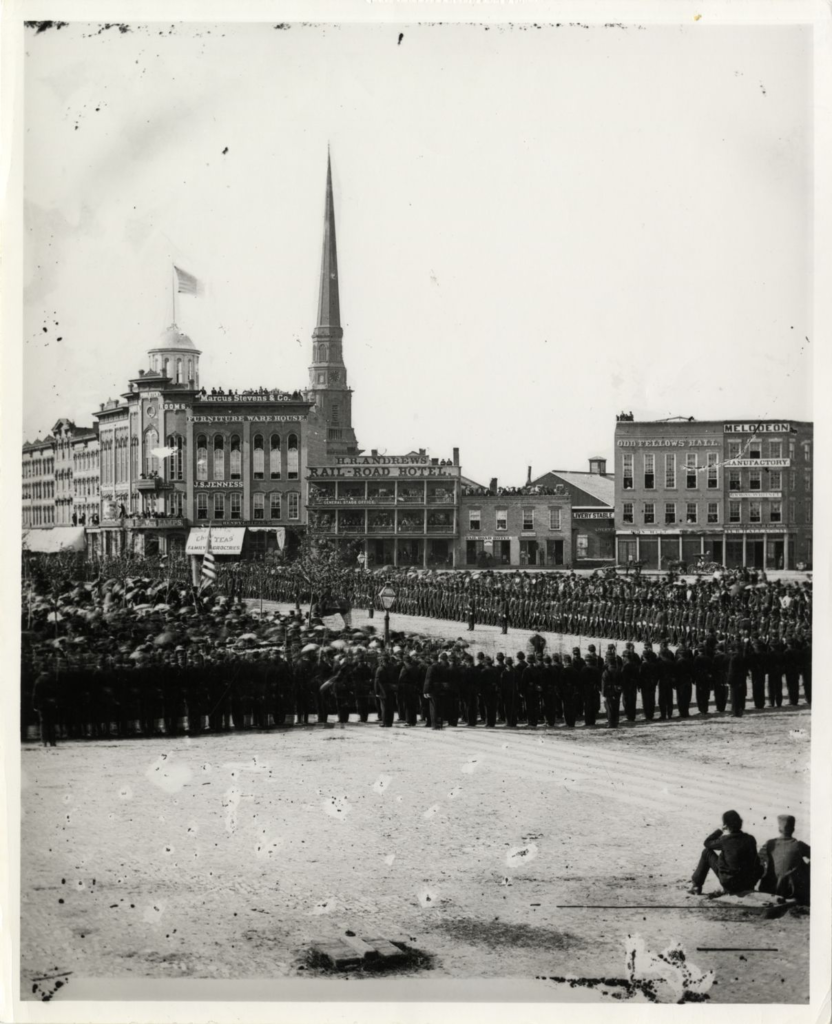
The picture below shows the 1st Michigan soldiers standing around Fort Wayne, Detroit, in 1861. This black and white photo is 165 years old this month. Look at the contrast of the uniforms and the glare of the soldiers onto the photographer. It seems like they are are dressed in Federal uniform before they depart for Washington D.C. Upon a zoomed-in version of the picture, most of the soldiers on the left have their bayonets in their rifles and are ready to get marching. All of the soldiers in this photograph have their caps on, along with nice black shoes.

Courtesy of the Detroit Public Library

What else would these soldiers of the First Michigan be thinking about heading off to war? Some of them are smiling at the camera, while the ones on the extreme right seem to be sitting and pondering the task at hand. I wonder how many of these soldiers actually survived the Civil War. The world will never know, because there are no names to the soldiers within this picture.

Detroit, Gettysburg, Michigan, Union

Three Month Regiment – 1st Michigan

Posted on August 2, 2026August 10, 2026 By BD No Comments on Three Month Regiment – 1st Michigan

To uphold the United States Constitution, each state had to commit one regiment to the United States military. On April 16, 1861, one regiment from the state of Michigan was formed. The signed a three-month volunteer paperwork to serve. This one regiment had ten companies included within it, and it was completed on April 29th, 1861. The reason for this was the attack on Fort Sumter on the 12th of April.

Courtesy of the Detroit Public Library

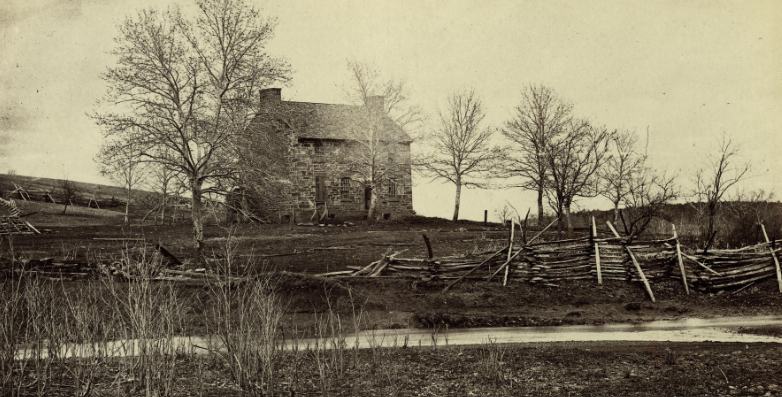
Within these 10 companies were approximately 798 soldiers and enlisted officers. This photograph shows the presentation of colors to the 1st Michigan Infantry on their departure on May 11, 1861. They arrived in Washington D.C. five days later. A few days after their arrival, they attacked Alexandria, Virginia, a day after the state seceded from the Union. Little incident occurred on May 24th, but martial law was enforced for the city throughout the Civil War. When Alexandria, Virginia fell to the 1st Michigan, Col. Orlando Wilcox stated “Alexandria is ours” as two-thirds of the population fled the town. The city became a headquarters for U.S. military railroad, along with one of the largest Union hospital centers.

Courtesy of the George Eastman Museum – Matthew’s House at 1st Manassas

A few months later, on July 21, 1861, the first battle of Manassas began. The 1st Michigan was commanded by Major A.F. Bidwell within the 2nd Brigade that was commanded by Col. Orlando Wilcox. It was a hard-fought battle, but the Union loss with over 2700 hundred soldiers causalities, with around 90 causalities from the regiment itself. The 1st Michigan was then sent home and was mustered out on August 7th, 1861.

However, once returning to Michigan, the regiment morphed and signed three year papers and served as the 1st Michigan through Antietam, Fredericksburg, and Gettysburg, and other battles after 1863.

Detroit, Gettysburg, Michigan, Union

Camp Letterman

Posted on July 28, 2026August 10, 2026 By BD No Comments on Camp Letterman

What happens after a battle, especially one that lasts around three days? Soldiers who survived tell others of their survival, tales of what they saw and heard, and looking for comrades that could be anywhere in town due to the mass confusion of battle. Terrible things occur though, and some of their friends or family members may be wounded or even killed.

With everything in motion around Gettysburg after the battle on July 3rd, the first thing was to rejoice about winning the battle. The next thing would be taking care and finding the wounded around the battlefield. Luckily, the citizens of town were welcoming and trying to help soldiers, both Union and Confederate, that were wounded and taking care of their needs. Prior to the Union army leaving town, over 14,000 Union soldiers along with 6000-8000 Confederate troops needed attention.

Whether if it was to give them water, food, fresh bandages for their wounds, or a place to rest were most homes, churches, and farms around the region. Along with the citizens, you had the doctors and surgeons of the Union army giving orders to their officers about establishing a general hospital in the area close to routes of transportation. One of these officers was Dr. Johnathon Letterman, who was the medical director of the Federal Army.

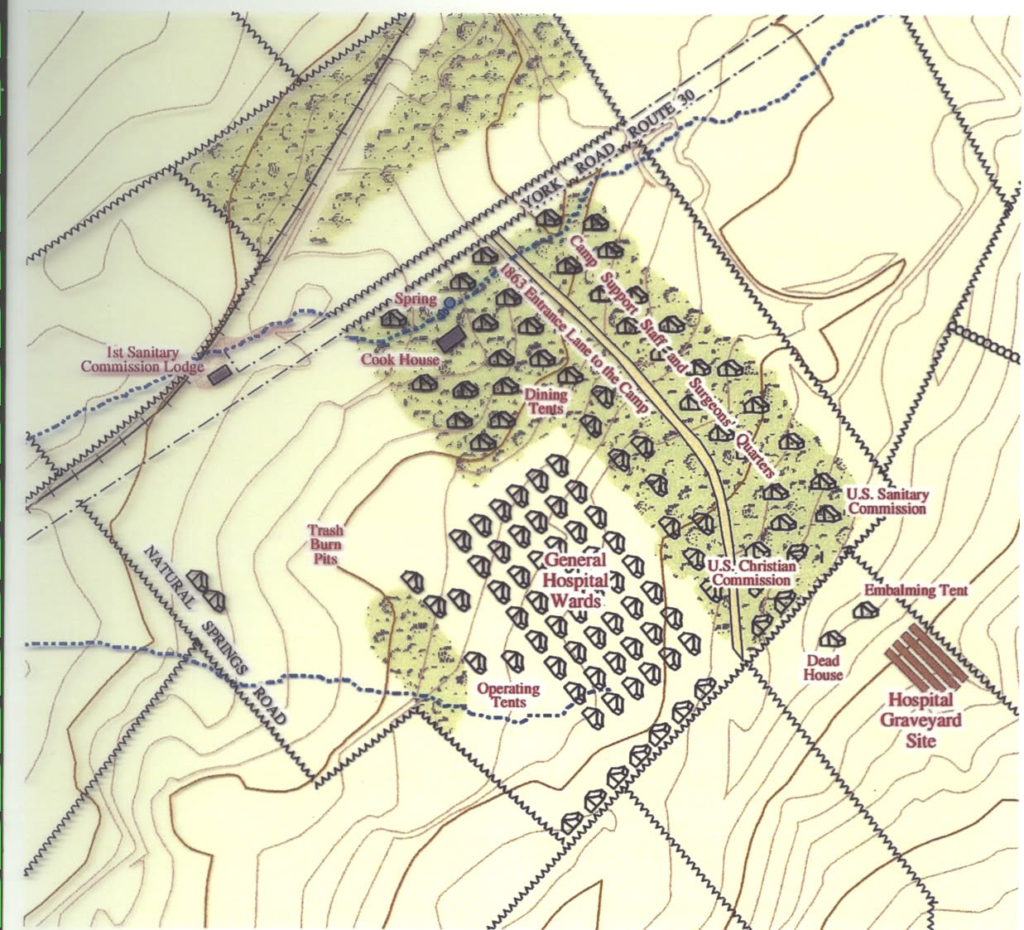
Courtesy of the Gettysburg National Park Service of the Camp Letterman Area

Dr. Jonathon Letterman established a general hospital here at the historic Wolf’s Farm east of downtown. He wanted the hospital here because of the closeness to York Road, the Gettysburg Railroad, and it was one of the higher locations around the area. This area had a good spring that provided lots of water. As the hospital was started, hundreds of tents, drainage ditches, cooking supplies, and facilities for surgeons, nurses, and surgery were installed and brought in to help wounded or mortally wounded soldiers.

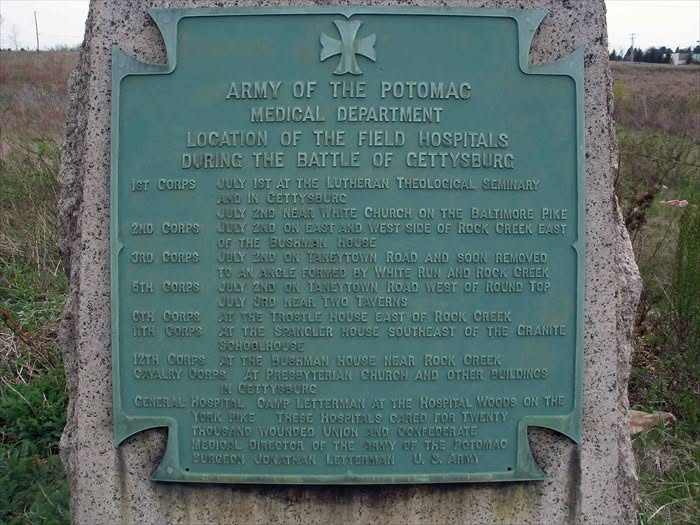
This plaque below shows the location of field hospitals during the battle of Gettysburg for each Corps. Each one was moved that was North and West of the town as Confederate soldiers occupied that region. Some field hospitals are near regimental monuments that provided care and took care of injuries near Rose Woods and the Wheatfield.

On July 5th, two days after the battle of Gettysburg, Union soldiers with the Federal army moved away from town in chase of the Confederate army. However, the Union army left 100 surgeons, 6 ambulances, 4 wagons per Corps, and their goal was to move approximately 800 soldiers a day out of Gettysburg. This hospital was closed the day after Lincoln arrived into Gettysburg and gave the Gettysburg Address on November 20, 1863.

Field Hospitals, Gettysburg, Union

Gettysburg Streets

Posted on July 13, 2026August 10, 2026 By BD No Comments on Gettysburg Streets

Here is a zoomed in map from a survey that was taken after the Battle of Gettysburg in 1868-1870. There is much detail in this map, so let’s explore some things. North of the railroad tracks, Penn. College is now what is Gettysburg College.

There are also three roads that lead north of Gettysburg in a form of a triangle:

  • west-northwest of town (Mummasburg Rd)
  • north of town (Old-Carlisle Rd)
  • north-northeast of town (Old Harrisburg Rd)

There are two roads that lead west of town:

  • west-southwest of town (Fairfield Rd)
  • west-northwest of town (Chambersburg Rd)

There are two roads that lead south of town:

  • eastern road through town (Baltimore Street)
  • western road through town (Washington Street)

There is one road that leads east of town: York Road

These roads from the north and the west brought in supplies and soldiers from the Confederacy, while the southern roads will supply the Union army.

Courtesy of https://13thmass.org/1863/gettysburg.html

This map shows the location of the Union Corps and the Confederate forces around Gettysburg. This will provide beneficial aspects with the Union forces concentrated in a small general area to reinforce battle lines in a short amount of time. Confederate forces had to walk from Chambersburg to Gettysburg. What a journey they had on muddy roads, the heat and humidity, and the lack of water.

Gettysburg, Railroad Maps, Union

Fourth of July

Posted on July 5, 2026August 10, 2026 By BD No Comments on Fourth of July

On this day, on July 1863, the town of Gettysburg rejoiced that the Union won the battle against the Confederates. However, the victory came with a price. Jennie “Virginia” Wade had been shot and killed the day before, and was laid to rest behind the house. Elizabeth Thorn was in the process of receiving word that she would have to start lying grave sites for fallen soldiers the battle within Evergreen Cemetery.

Here below is a rare flag from West Virginia of the United States flag with only 35 stars on it representing 35 states. This flag was from 1863.

Courtesy of http://rareflags.com/RareFlags_Showcase_IAS_00090.htm

In the end, many months later, all the burials were completed.

Evergreen Cemetery — Graves of 2 Confederate and 90 Union soldiers

Let’s remember the sacrifice this Fourth of July, and the soldiers that fought 163 years ago.

Artillery, Evergreen Cemetery, Field Hospitals, Gettysburg, Jennie Wade, Union, Wade Family

June 29th, 1863

Posted on June 28, 2026August 10, 2026 By BD No Comments on June 29th, 1863

The locations of the Confederate and Union Corps on June 29th. However, that’s not the main story. The temperatures are brutal across the Mid-Atlantic ranging between 90 to 100 degrees and evening thunderstorms with the heat. With traveling on muddy and backroads, it was a very difficult to travel from one place to another.

Meanwhile, the Confederate forces were spread out across Pennsylvania, but had plenty of access roads to combine forces if need be. The 1st Corps was in Chambersburg and commanded by Lieutenant General James Longstreet. The 2nd Corps was in Carlisle and was commanded by Lieutenant General Robert S. Ewell, and the 3rd Corps was commanded by Lieutenant General Ambrose Hill that was stationed outside Cashtown.

Here are some of the distances that the Union Corps had to march on June 29th.

  • 1st and 11th Corps (blank icon) marched from Frederick to Emmitsburg – 23 miles
  • 2nd Corps marched from Monocacy to Uniontown – 26 miles
  • 3rd Corps marched from Woodsborough to Taneytown – 12 miles
  • 5th Corps marched from Frederick to Libertytown – 11 miles
  • 6th Corps marched from Hyattstown to New Windsor – 26 miles
  • 12th Corps marched from Taneytown to Frederick – 23 miles
  • Bufford’s Cavalry rode from Middletown to Fairfied – 8 miles
  • Gregg’s Cavalry rode from New Market to New Windsor – 21 miles
  • Kilpatrick’s Cavalry rode from Frederick to Littlestown – 31 miles

Newly appointed general of the Union Federal Army was Major General George Gordon Meade. He wanted the Union army to deploy between Middlestown to Taneytown to Manchester. He wanted to have strong fallback positions in northern Maryland. He wanted to protect Washington D.C. and Baltimore, and wanted to defend Mary-land, not Pennsylvania.

Confederate, Gettysburg, President, Union, Wade Family

June 27, 1863

Posted on June 28, 2026August 10, 2026 By BD No Comments on June 27, 1863

The battle of Gettysburg is less than a week away. However, it’s only been less than 24 hours since Major General George Gordon Meade received orders that he is now the commander of the Army of the Potomac. Meade then directs and informs Major General Joseph Hooker of his relief from command.

George Gordon Meade is now the 5th man to command the Army of the Potomac in less than a year. General Meade learns that the Confederates are in southern Pennsylvania ransacking communities and terrifying citizens on the frontier. He commands the Union army to slowly drift north to see if they can draw the Rebels to fight them in Mary-land.

Courtesy of the novel – Battles and Leaders of the Civil War: III: Retreat from Gettysburg, page 266

His orders are to keep the Union army protecting Washington D.C. from the Confederates to the North.

Artillery, Confederate, Gettysburg, President, Railroad Maps, Union

June 26th, 1863

Posted on June 25, 2026August 10, 2026 By BD No Comments on June 26th, 1863

A cold rain fell as Confederate soldiers of Early’s men march towards Gettysburg in search of “shoes”. Really, all they wanted was shoes? Ha! Anyways, they approached the town from the west and soon spotted raw Union recruits near Knoxlyn’s Ridge. The 26th Pennsylvania Emergency Militia was commanded by Col. William Jennings. He was a young 24 year old soldier commanding the militia.

Private George Washington Sandoe

A local cavalry unit commanded by Capt. Robert Bell’s Adams County Cavalry Company comprised of 50 locals. After being dismissed by Bell to evade capture from the approaching Confederates, Private George Washington Sandoe and William Lightner ride past Georgia’s House ( The Jennie Wade House ) and the Evergreen Cemetery and towards Rock Creek on Baltimore Pike around 4pm. Sandoe fell and dies after being shot off his horse by the Rebels. Sandoe is often referred to the first Federal casualty at Gettysburg. The Confederates takes his horse and rides back to town.

Courtesy of Vivian Marsh and Willie on Find a Grave – Louis Kenneth McClellan and Georgia Wade McClellan

Earlier that day, around 2:30 p.m., about an hour before the Confederates rode past in chase of Private Sandoe and Private Lightner, Georgia Wade McClellan gave birth to her first son, Louis Kenneth McClellan.

Peter and Elizabeth Thorn

Meanwhile, after Sandoe was killed, the Confederates in the chase stopped at the Evergreen Cemetery. They asked for food and water from the caretaker of the cemetery. Mrs. Elizabeth Thorn, who was 6 months pregnant, serves the enemy their food and they disappear into night.

Confederate, Evergreen Cemetery, Gettysburg, Jennie Wade, Union

Posts pagination

1 2 Next
  • Battlefield Map
  • Gettysburg Museums & Hotels
  • Union History
  • Confederate History
  • Author's History
  • August 2026
  • July 2026
  • June 2026
  • May 2026
  • April 2026
  • March 2026
  • February 2026
  • January 2026

Recent Posts

  • Search for Food
  • 3rd Michigan
  • 1st Michigan – August 1861
  • Three Month Regiment – 1st Michigan
  • Camp Letterman

Recent Comments

No comments to show.

@ 2026 Gettysburg Chronicles

Powered by PressBook WordPress theme