
During the Civil War, some families had soldiers on either side of the battlefield. Whether if it was son, father, uncle, cousin, nephew, or a friend, soldiers glared onto the battlefield hoping that their fellow was not across the field of battle waiting for them. However, some families had it worse. In the Dobbin’s family, it was brother versus brother.
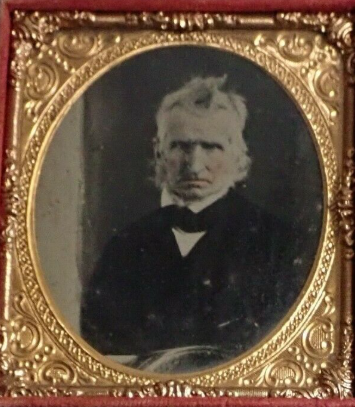
General Thomas Craig Miller
The third son of General Thomas Craig Miller was Thomas Craig Miller III (1827-1905) and he was a Union War soldier. He was promoted to Captain of the 7th Cavalry, Company F of the Missouri Volunteers. After the war, Capt. Miller III was in command of the guards that laid in state at Washington D.C. after President Lincoln was assassinated.
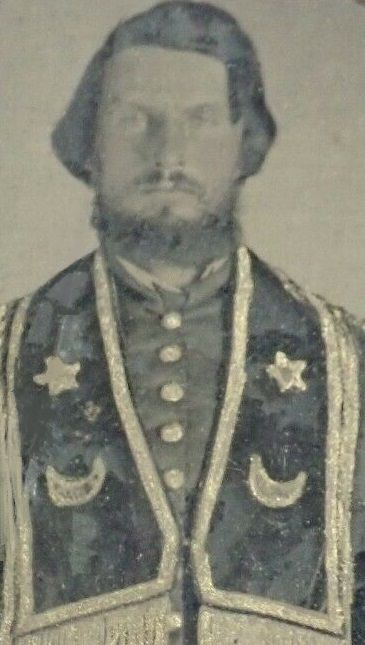
Captain Thomas Craig Miller III
The fourth and last son of General Miller was Captain Matthew Amos Miller. His path towards the Confederacy was odd though. Matthew Amos Miller was born at the Dobbin’s House in 1830. He attended Pennsylvania College (Gettysburg College) from 1847-1850 and studied Civil Engineering, but he didn’t graduate. He then moved to western Virginia and western Maryland, and married Matilda Ann Fechtig in December 1855. He was able to obtain work on the railroads in West Virginia, western Pennsylvania, Maryland, Tennessee, and Mississippi. When the Civil War started in 1861, he was promoted to 4th Confederate Engineers, Company B, and became a Confederate soldier.
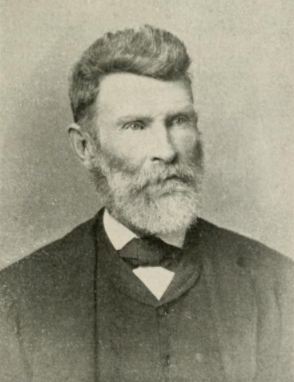
Captain Matthew Amos Miller
The weird thing hasn’t happened yet though. Capt. Matthew Miller was captured and was sentenced to death by hanging. He was in his cell, and Union General Sherman came to his cell and talked with him. Matthew explained to Sherman that his daughter was “sick”, and wanted to see her before his death. General Sherman granted his request under guard though. When Matthew was home, he escaped and lived until 1904 with his family.
The odd thing wasn’t told yet. The day after his “planned” death was to occur, President Abraham Lincoln pardoned him for the remainder of his life. Lincoln also granted pardons to various Confederate soldiers and officials. Throughout his presidency, he issued 64 pardons for war-related offenses, including treason and rebellion.