
This soldier was born in Pennsylvania, explored the United States prior to the Civil War, and died in his home state. John Fulton Reynolds was born in Lancaster in September 1820. He was one of the most important commanders of the Civil War, and he said “No” to President Lincoln in 1863. His command for the Federal Union Army was one of the best prior to his death and is still talked about in the present.
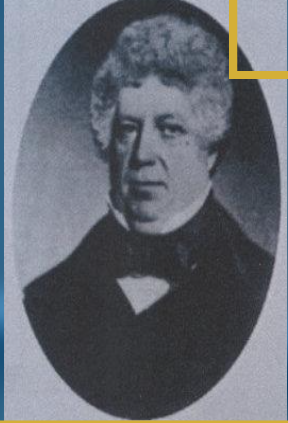
His father, John Reynolds (1787-1853) had many traits for business and career. He served within the Pennsylvania state legislature for two terms from 1822 to 1824. He was a newspaper editor with the Lancaster Journal, and he was a businessman. He wanted the best for his family and taught his words of wisdom to his sons.
He was one of nine children that survived childhood. His family would apply him to the best schools around Lancaster and Lititz before he was nominated and accepted to the United States Military Academy in 1837. He graduated 26th out of 50 in his class of 1841. After graduation, he was assigned to nearby Fort McHenry in Baltimore in 1841, and then sent to and assigned to St. Augustine, Florida, and Fort Moultrie, South Carolina between 1842 and 1845. He was then assigned to the western frontier to help with the Mexican-American War between 1846-1848, and during that time he became good friends with William Scott Hancock and Lewis Armistead.
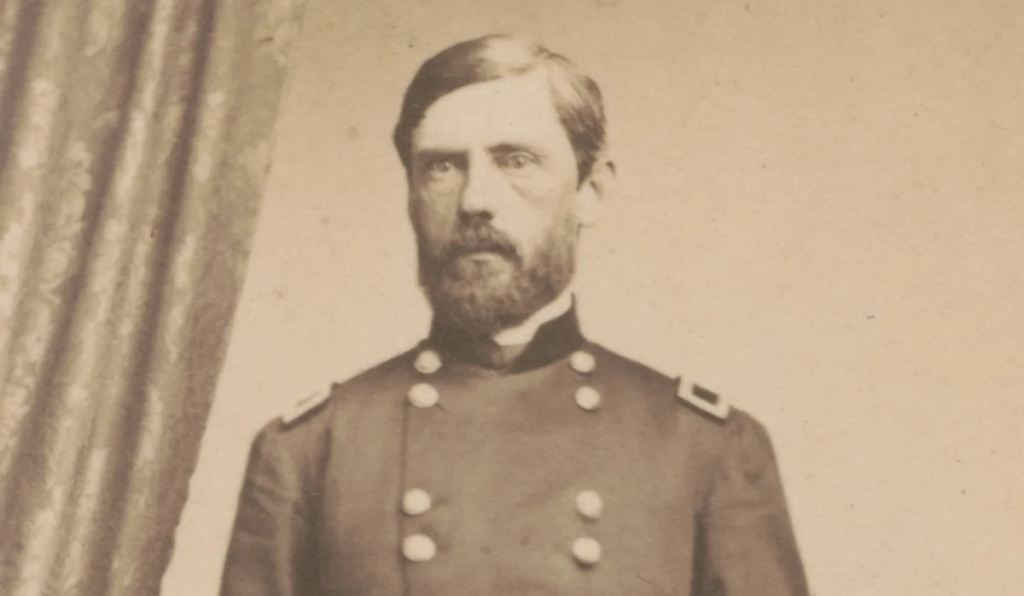
John F. Reynolds was very vocal in his thoughts about commanders that were in charge of the Union Army. During the battle of Chancellorsville, General Hooker asked Reynolds 1st Corps to walk 20 miles to around the Confederate flank. Due to this march, the 11th Corps was flanked and was ran from their position and was known after that as the “Flying Dutchman”. The 1st Corps was never engaged in the battle of Chancellorsville and only had about 300 casualties out of the 17,000 soldiers that was under John F. Reynolds command. Due to this, Reynolds and other commanders urged for a replacement for Hooker going forward.
On June 2nd, 1863, John Reynolds was summoned to Washington D.C. and talked with President Abraham Lincoln. During the conversation, Lincoln asked Reynolds if he would take command of the entire Federal Army. Reynolds asked one simple question: Will I have a free hand to take command of all the soldiers without any political influences? Abraham Lincoln state that it wasn’t possible for that action to not occur. Since Reynold’s question was unable to be applied, Reynolds rejected Lincoln’s offer and remained commander of the First Corps. For the battle of Gettysburg, the new commander would be informed of his new duties on June 28th in Frederick, Maryland. His name was George Gordon Meade.