
Stonewall Jackson had multiple battles that he and his 2nd Corps was involved in during the second half of the year. At the same time, there were multiple times that the Confederacy almost lost the war due to mishaps and confusion. However, prior to the Summer, he was able to report on his victories within the Shenandoah Valley.
During the summer, Lt. General Stonewall Jackson had multiple victories across Virginia against the Union. However, during the beginning of the Fall, things began to come together more within the Confederate army. During the northern Virginia campaign in August 1862, General Longstreet commanded the Right Wing (1st Corps) while General Jackson commanded the Left Wing (2nd Corps) under General Robert E. Lee.
Historians believe that during the summer of 1862, the reputations of Longstreet and Stonewall were executed with defensive strategies and tactics to win. Stonewall has been described as the army’s hammer to win the battles like throwing a hammer onto the enemy. Between August 27 to the 29th, during the battle of Second Battle of Bull Run (or Second Manassas), Stonewall and his 2nd Corps was able to capture all of the supplies from the Union depot.
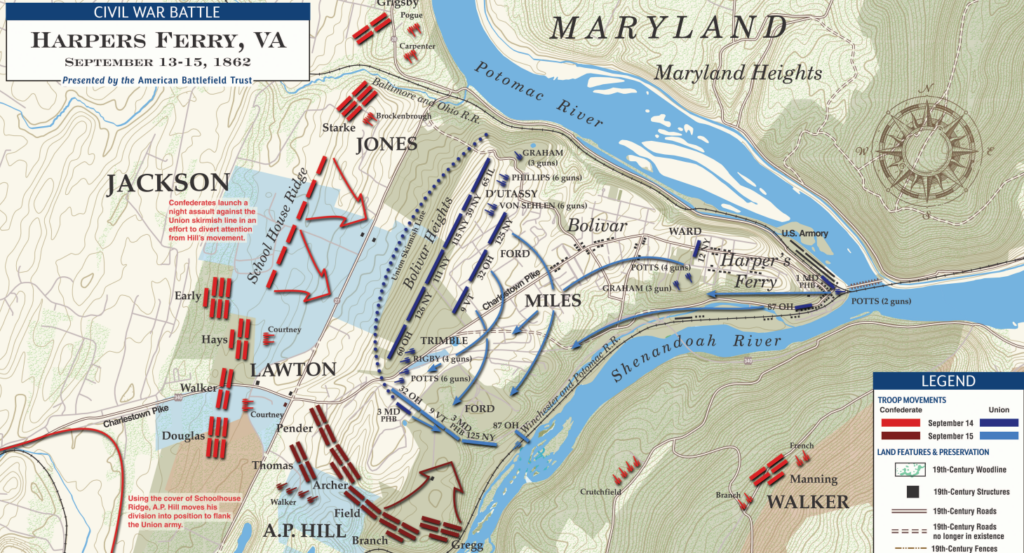
Around the same time, General Lee wanted to invade the North and give the farmers in Virginia peninsula a few weeks to gather their crops and farm their fields without the chances of war within their backyards. They moved North as part of the Maryland Campaign, Stonewall and his troops marched towards Harpers Ferry. Jackson heard of the fighting against General McClellan of the Union army at Antietam on September 17th, 1862. and they rushed over to support and bore the brunt of the initial attacks on the northern edge of the battlefield within the bloody Cornfield. Luckily the Confederate forces held their position and won the battle. From there, the Confederates withdrew across the Potomac River and back into Virginia, ending the first invasion of the North.
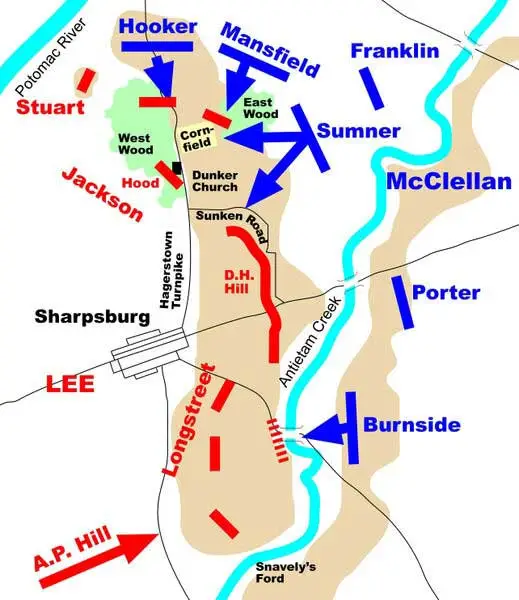
Here is a sample of his battle report from the webpage that talks about the battle of Antietam that he wrote in the April 1863.