
Citizens in Gettysburg were thrust into roles that they were not accompanied to. They had to tend to the wounded, bury the dead of soldiers and some civilians, and repair their town along with their lives. The governor of Pennsylvania assigned David Wills to create a National Soldiers Cemetery in July 1863 after the battle. In arranging the opening dedication of the cemetery, he sent invitation letters to Edward Everett and President Abraham Lincoln. In September 1863, American politician, pastor, educator, diplomat and orator Edward Everett confirmed he would be able to come to Gettysburg and speak. Due to scheduling conflicts, he asked Mr. Wills to move the ceremony from October 23rd to November 19th. On November 2nd, Mr. Wills invited President Lincoln to Gettysburg to give a few appropriate remarks. Mr. Wills also invited Lincoln to stay at his house on the Gettysburg square.
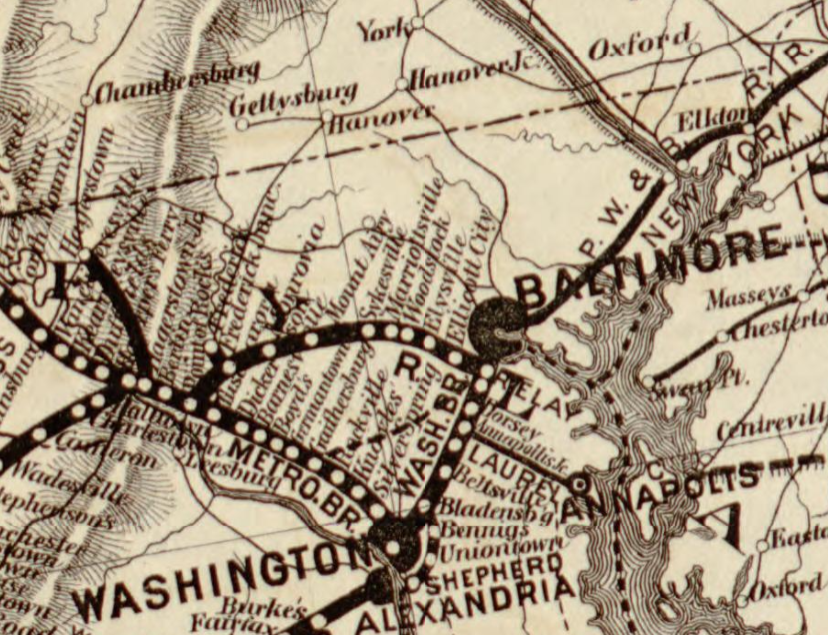
On November 18th, 1863, President Abraham Lincoln, Secretary of State William Seward, Treasury director John Usher, and Post-Master General Montgomery Blair accompanied him to Gettysburg. They left Washington D.C. in the morning on the Baltimore and Ohio Railroad and arrived in Baltimore around 1:10 p.m., then arriving into Hanover Junction around 3:30 p.m., and then into Gettysburg about 6:00 p.m. Above is the route they would have taken by railroad. The train was a special 5-car train from the Northern Central.
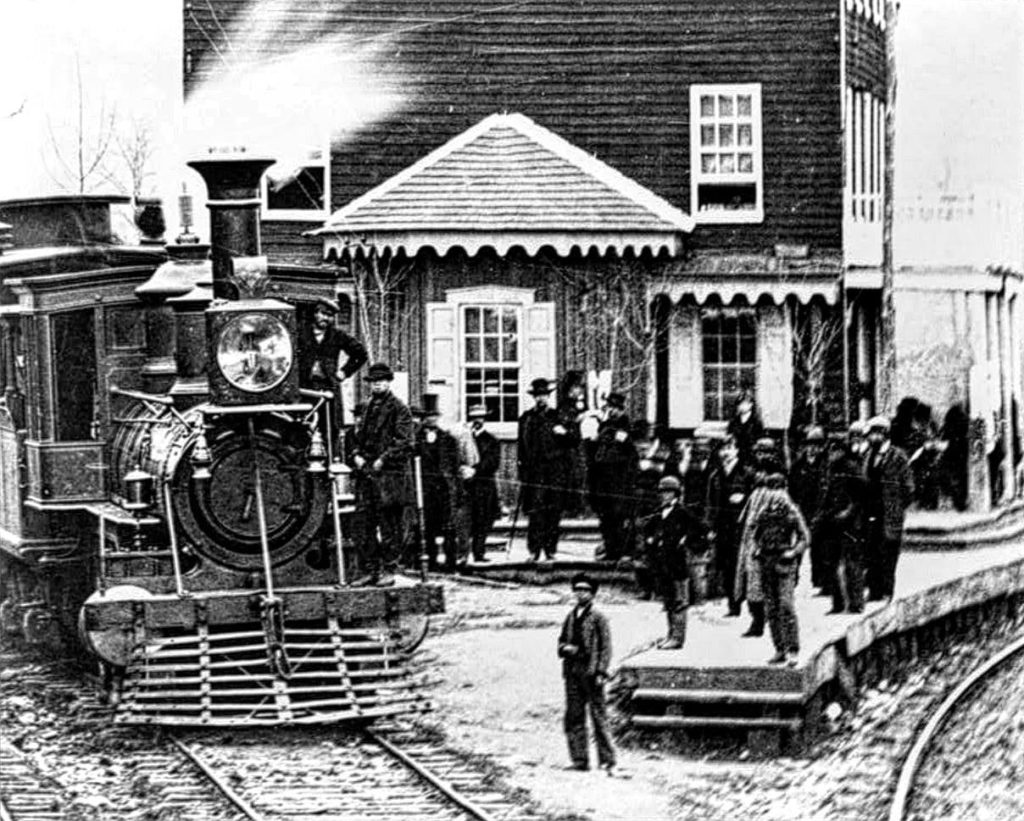
at the Hanover Junction.
Prior to President Abraham Lincoln arriving into Gettysburg, the town swelled from 2500 citizens to over 20,000 visitors and onlookers waiting for the dedication. Hotels, houses, and taverns were filled upon his arrival. He was picked up at the Lincoln Train Station by carriage and taken to the David Wills house. Mrs. Wills and the hired staff made dinner for Lincoln and other dignitaries, then stepped briefly outside to wave to the crowds before retiring inside for the evening.