
Skip to content

Gettysburg Chronicles

History Explained

  • Home
  • Tales of War
    • History of Adams County
    • Call to Arms
    • Gettysburg
    • July 5th: Tillie Pierce Tale
  • Confederate
    • South Carolina
    • Mississippi Monuments
    • Florida’s Involvement
    • Spirit of Alabama
    • Georgia – The Peach State
    • Louisiana Secedes
    • Lonestar State
  • Union
    • First Shot Marker
    • Michigan Joins
      • 24th Michigan Joins Iron Brigade
      • 24th Michigan Prior to Fredericksburg
      • Farnsworth’s Last Ride
      • “Come On You Wolverines”
  • Artillery
    • Different Ammunition
    • Real vs. Fake Cannons
    • Six Pound Shot Cannon
    • Cannons at Devil’s Den
  • Families
    • Thorns
      • Evergreen Cemetery: August 1862 to June 1863
      • Gettysburg: June 26, 1863
      • Evergreen Gatehouse
      • Thorn’s Family Tree
      • Descendants of the Thorns
      • Aftermath of Battle
      • Thorn Important Locations
    • Wade Family
      • Rise of the Captain
      • Trouble with the Law
      • Jennie Wade
      • Newspaper Articles
      • Gravesites of Jennie Wade
      • Samuel and Harry Wade
      • James John “Jack” Wade
    • Thaddeus Filby
    • Georgia McClellan
      • Extended McClellan’s
      • Iowa Family – Lewis
      • World War II POW
      • Jennie Wade McClellan
      • Nellie McClellan
      • John McClellan
    • Jim Britton McClellan
    • Pierce Lineage
      • Sons of the Pierce’s
      • Tillie – Prior to July 1863
    • Shriver Family
      • Shriver and Weikert’s Connection
      • Cole’s Union Calvary Disaster
      • Father’s Death
      • Henrietta’s New Life
  • Buildings
    • Local Churches
      • St. Francis Xavier Church
    • Sach’s Bridge
    • Weikert Family Farms
    • Farnsworth House
    • Winebrenner History
    • Welty House
    • Cashtown
      • July 1863 in Cashtown
  • Other Locations
    • Andersonville
  • Railroads
    • G&H Railroad
    • Western Maryland Railroad
    • Location of the Spur
    • Gettysburg Electric Trolley
    • Trolley South of Town
    • Railroad to Round-Tops
  • Anniversaries
    • Battlefield Walks
    • 150th Anniversary – 2013
    • 152nd Anniversary – 2015
    • 157th Anniversary – 2020
    • 158th Anniversary – 2021
    • 162nd Anniversary – 2025
  • Paranormal
    • Paranormal Equipment
    • Pictures on the Bridge
    • Live: Sachs Covered Bridge
    • Spirits at the Farnsworth
    • Spirits at the Cashtown Inn
    • Tillie Pierce House Inn
  • About
  • Toggle search form

South Movement

The debate for seceding from the United States in the South began with the election of Abraham Lincoln into the presidency. The southern states feared that what Lincoln was suggesting with combining the north and the south’s ideas together with abolishing slavery would take away their economic existence. Mainly half or not all of the economic livelihood came from slavery in the South with cotton fields and relying on hard man-labor. With the Republican party threatening their constitutional rights in the Union, their social institutions, and their economic existence, the Southern states started to slowly secede from the United States. On December 20, 1860, South Carolina began the withdraw, and by March 1st, 1863, six states would have created the Confederate States of America.

The Confederacy had one man in mind to be in charge of the Confederate Army. However, it was solely his decision. Robert E. Lee was appointed as a cadet on July 1st 1825 at West Point. He graduated 2nd in the class of 46 soldiers on July 1st, 1829. He had prior service within the Mexican-American war in the 1840s.
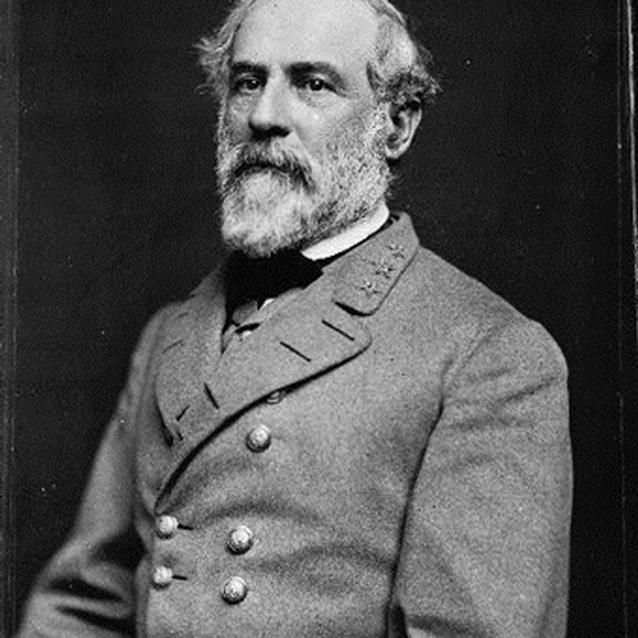
Library of Congress – Robert E. Lee

Robert E. Lee married Mary Custis who was the great-granddaughter of Martha Washington. They married at the Arlington House, her parents house across the Potomac from downtown Washington on June 30, 1831. In 1859, three of their own slaves who worked the grounds of Arlington House escaped and fled north, but were captured a few miles from the Pennsylvania border. They were returned to the plantation at Arlington and each were given a punishment of numerous lashes to their backs.

In December 1860, South Carolina was starting the process to secede from the Union. However, in March 1861, General Lee had accepted a promotion to colonel and appointed to the 1st Cavalry Regiment on March 28th, again swearing oath to the United States. However, the Virginia Convention voted to declare secession on April 17th. The following day, Lee was offered the role of Major General for the Union Army.

However, his answer towards the Mr. Blair was legendary and will always be remembered. It was the following:

“Mr. Blair, I look upon secession as anarchy. If I owned the four millions of slaves in the South I would sacrifice them all to the Union; but how can I draw my sword upon Virginia, my native state?”
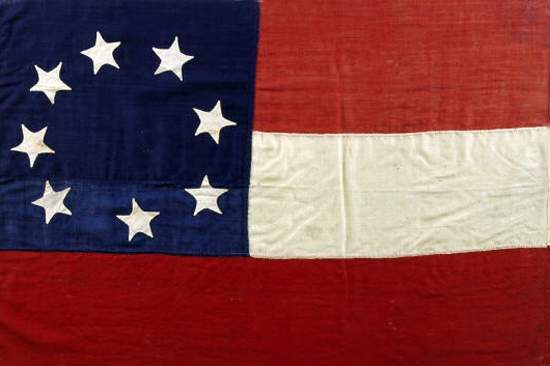
Courtesy of the Library of Congress – 1861 Confederate Flag

He refused the invitation of becoming the Union General, and then he made his way to the Virginia capital of Richmond where he was at once made a major-general in the Virginian forces. A few weeks later he became a brigadier-general for the Confederacy.

Overall, the Confederate army enlisted between 800,000 to two million soldier that fought against the Union.

@ 2026 Gettysburg Chronicles

Powered by PressBook WordPress theme