
Skip to content

Gettysburg Chronicles

History Explained

  • Home
  • Gettysburg
    • History of Adams County
    • Call to Arms
  • Tales to War
    • July 5th: Tillie Pierce Tale
    • 57th Pa.: Letter to Mother
    • 24th Mich.: Abel Peck
    • 24th Mich.: Charles Bellore
    • 1st Rifles: Colonel Taylor
  • Confederate
    • South Carolina
    • Mississippi Monuments
    • Florida’s Involvement
    • Spirit of Alabama
    • Georgia – The Peach State
    • Louisiana Secedes
    • Lonestar State
    • North Carolina
    • Virginia Secedes
    • Arkansas
    • Tennessee – Last to Join
    • Maryland – Border State
  • Union
    • First Shot Marker
    • Michigan Joins
      • 24th Michigan Joins Iron Brigade
      • 24th MI Prior to Fredericksburg
      • March to Gettysburg
      • Farnsworth’s Last Ride
      • “Come On You Wolverines”
  • Artillery
    • Different Ammunition
    • Real vs. Fake Cannons
    • Six Pound Shot Cannon
    • Cannons at Devil’s Den
  • Civil War Locations
    • Crampton’s Gap, Md.
    • Fox’s Gap, Md.
    • Turner’s Gap, Md.
    • Andersonville, Ga.
    • Navy – Hampton Roads, Va.
  • Photographs
  • Abraham Lincoln
    • Lincoln Visits Antietam
    • Emancipation Proclamation
    • John Wilkes Booth
    • The Kidnapping Plan
  • Anniversaries
    • Battlefield Walks
    • 150th Anniversary – 2013
    • 152nd Anniversary – 2015
    • 157th Anniversary – 2020
    • 158th Anniversary – 2021
    • 162nd Anniversary – 2025
  • Buildings
    • Local Churches
      • St. Francis Xavier Church
    • Sach’s Bridge
    • Weikert Family Farms
    • Farnsworth House
    • Soldier’s Orphanage
      • Brickyard Fight
      • 154th New York
      • Amos Humiston
      • Rosa Carmichael
    • Winebrenner History
    • Welty House
    • Cashtown
      • July 1863 in Cashtown
      • Cashtown: Since 1863
  • Families
    • Thorns
      • Evergreen Cemetery: August 1862 to June 1863
      • Gettysburg: June 26, 1863
      • Evergreen Gatehouse
      • Thorn’s Family Tree
      • Descendants of the Thorns
      • Aftermath of Battle
      • Thorn Important Locations
    • Wade Family
      • Thaddeus Filby
      • Rise of the Captain
      • Trouble with the Law
      • Jennie Wade
      • Newspaper Articles
      • Gravesites of Jennie Wade
      • Samuel and Harry Wade
      • James John “Jack” Wade
    • Georgia McClellan
      • Extended McClellan’s
      • Iowa Family – Lewis
      • World War II POW
      • Jennie Wade McClellan
      • Nellie McClellan
      • John McClellan
    • Jim B. McClellan
    • Pierce Lineage
      • McCurdy to Pierce Tree
      • James Shaw Pierce
      • William H. Pierce
    • Tillie Pierce
      • Last Week of June 1863
      • Tillie’s Accounts – July 1st
      • Wounded Everywhere
      • Hospital – Pierce House
    • Garlach Family
      • Soldier Hiding with Pigs
      • Anna Garlach
    • Shriver Family
      • Weikert’s Connection
      • Union Calvary Disaster
      • Father’s Death
      • Henrietta’s New Life
  • Railroads
    • G&H Railroad
    • Western Maryland Railroad
    • Location of the Spur
    • Gettysburg Electric Trolley
    • Trolley South of Town
    • Railroad to Round-Tops
  • Paranormal
    • Paranormal Equipment
    • Spirits at the Cashtown Inn
    • Pictures on the Bridge
    • Live: Sachs Covered Bridge
    • Haunted Orphanage
    • Spirits at the Farnsworth
    • Spirits at Tillie Pierce Inn
  • Questions
  • Toggle search form

Abraham Lincoln

He was born in a log cabin on the frontier in Kentucky. He was self-educated and became a lawyer in Illinois. He also became a United States representative from the state of Illinois. He met his wife, Mary Ann Todd in 1839, and was engaged in 1840. They married on November 4th, 1842. During their marriage, Mrs. Lincoln was very verbally abusive towards Mr. Lincoln. Prior to become president, they had four children which were all boys.
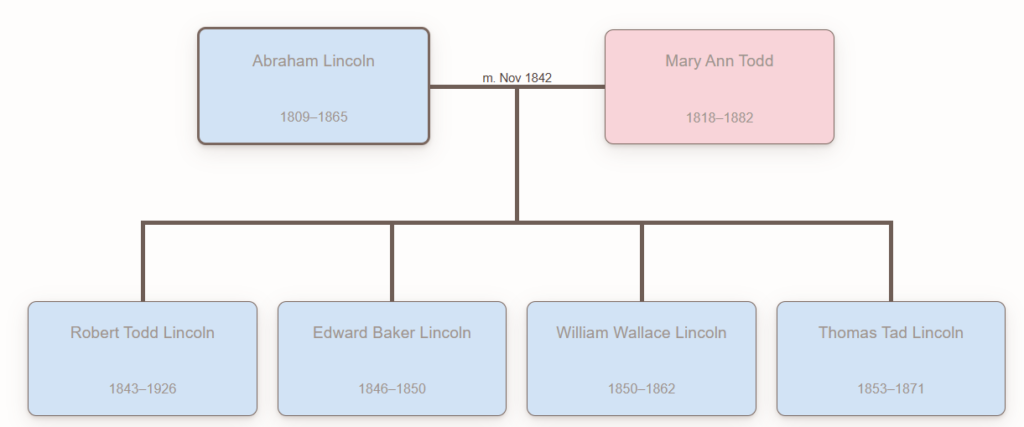
Sadly though, two of them passed in their childhood to diseases. Due to their deaths at an early age and the verbal assaults from his wife, Mr. Lincoln suffered from clinical depression.

He was the First Republican President that was elected in November 1860. Due to the constant rumblings of a Civil War between North and South, there were in ballots for him that were counted in the southern states. However, even with this stat, he received 39.8% of the total votes. His inaugural address was in March 1861, only about a month prior to the firing on Fort Sumter, South Carolina on April 12th, 1861.

President Abraham Lincoln appointed and fired many general during this time in office during the first four years of his time in office. Here is the list below:

  • Lincoln appointed George B. McClellan, and fired him after his loss at Antietam
  • Lincoln appointed Ambrose Burnside, and fired him after his loss at Fredericksburg
  • Lincoln appointed Joseph Hooker, and fired him after his loss at Chancellorsville
  • Lincoln appointed George G. Meade on June 28th, 1863
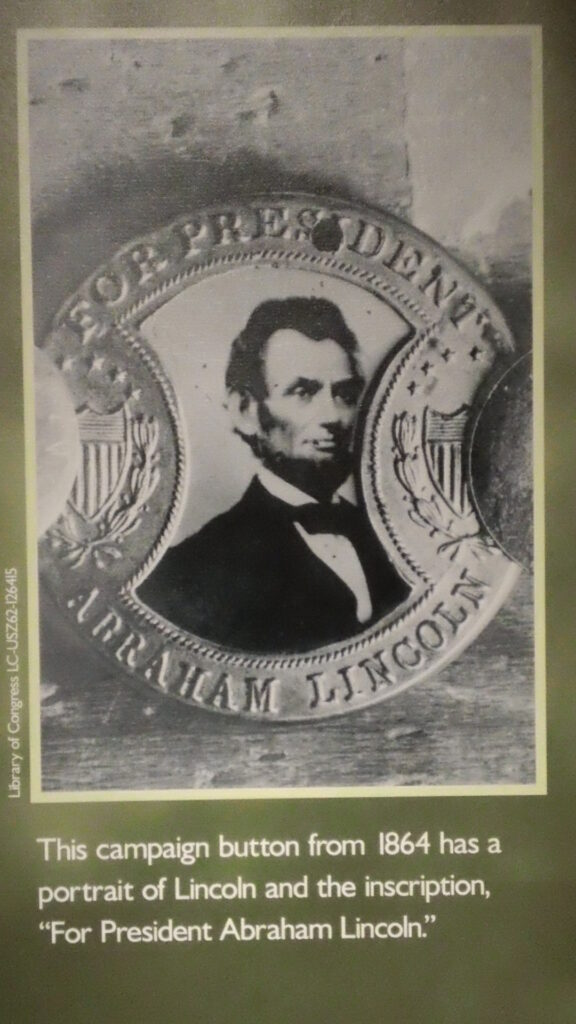
Mr. Lincoln sought to join the North and the South, and he ran for re-election in 1864. His challenger for the Democratic Party was George B. McClellan, a war general and a politician. However, once again, President Abraham Lincoln won again, with 55% of the popular vote. His second inaugural address was on March 4, 1865. Shown below is the location of John Wilkes Booth and Lincoln stood during the address.
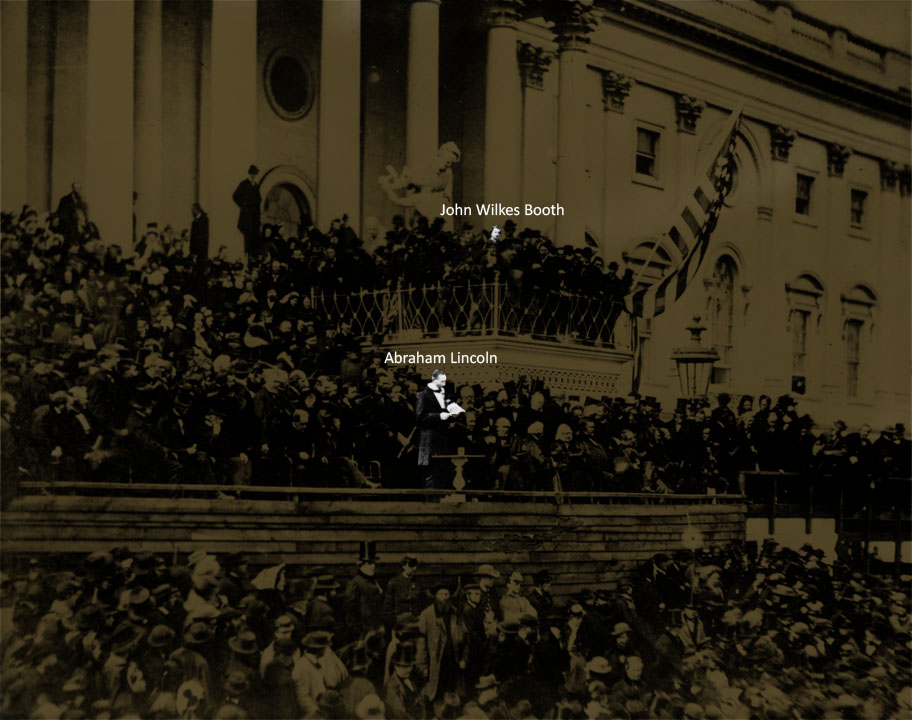
Courtesy of Photographer Alexander Gardner and highlighting Lincoln and John Wilkes Booth

On April 9th, General Robert E. Lee surrendered to Ulysses S. Grant at Appomattox, thus signaling the end of the Civil War. Mr. Lincoln and his wife Mary wanted to unite the North and the South within his second term. However, Abraham Lincoln’s life would come to an end only a few days after the surrender of the south at Ford’s Theater a few miles from the White House.

@ 2026 Gettysburg Chronicles

Powered by PressBook WordPress theme