
Skip to content

Gettysburg Chronicles

History Explained

  • Home
    • Exploring Gettysburg:
    • History of the Author
  • Tales of War
    • Brief History of Adams County
    • Call to Arms
    • Gettysburg
  • Monuments
    • Confederate Monuments
      • South Carolina
      • Mississippi Monuments
      • Florida’s Involvement
      • Spirit of Alabama
      • Georgia – The Peach State
      • Louisiana Secedes
      • Lonestar State
    • First Shot Marker
    • Union Monuments
      • Michigan Joins the Union
        • 24th Michigan Joins Iron Brigade
        • 24th Michigan Prior to Fredericksburg
        • Farnsworth’s Last Ride
        • “Come On You Wolverines”
  • Artillery
    • Different Ammunition
    • Real vs. Fake Cannons
    • Six Pound Shot Cannon
    • Cannons at Devil’s Den
  • Families
    • Thorns
      • Evergreen Cemetery: August 1862 to June 1863
      • Gettysburg: June 26, 1863
      • Evergreen Gatehouse
    • Shriver Family
      • Shriver and Weikert’s Connection
      • Cole’s Union Calvary Disaster
      • Andersonville
        • August 25, 1864
        • After Andersonville
    • McCurdy-Pierce Lineage
      • Sons of the Pierce’s
      • Tillie – Prior to July 1863
    • Wade Family
      • McClellan Family
        • Extended McClellan’s
      • Jennie Wade
      • Newspaper Articles
      • Gravesites of Jennie Wade
  • Buildings
    • Local Churches
      • St. Francis Xavier Church
    • Sach’s Bridge
    • Weikert Family Farms
    • Farnsworth House
    • Winebrenner History
    • Welty House
    • Cashtown
      • Cashtown in the Civil War
  • Railroads
    • G&H Railroad
    • Western Maryland Railroad
    • Location of the Spur
  • Anniversaries
    • Battlefield Walks
    • 150th Anniversary – 2013
  • Paranormal
    • Paranormal Equipment
    • Paranormal on the Bridge
    • Spirits at the Farnsworth
    • Spirits at the Cashtown Inn
    • Tillie Pierce House Inn
  • Questions
  • Toggle search form

Michigan Joins the Union

The Civil War officially started with the bombing of Fort Sumter in April 1861. However, South Carolina succeeded from the Union in December 1860. Knowing this, the northern states started to let their governments know that they may have to raise regiments for war. In January 1861, the newly appointed Michigan governor, Austin Blair, vowed strong action to maintain the Union and punish session. With the Confederate attack on United States troops at Fort Sumter, multiple scenarios became reality.
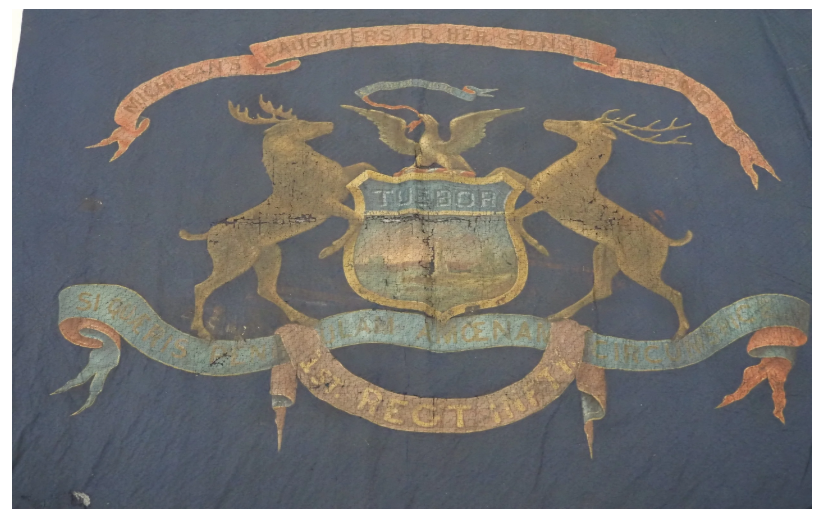
First Michigan Volunteers

President Abraham Lincoln signed Proclamation 80, which called for a Federal Union Army to fight the Confederacy on April 15th, 1861. The initial number was 75000 soldiers. The 1st Michigan Infantry was created on May 1, 1861. This regiment was the only three-month regiment from Michigan. It was commanded by Colonel Orlando Willcox, Lieutenant Colonel Loren L. Comstock, and Major Alonzo Bidwell.
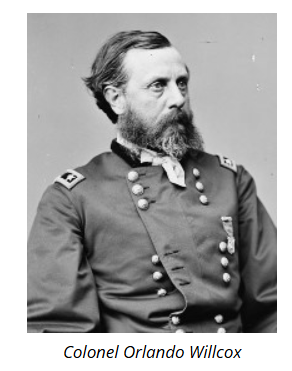
Overall throughout the Civil War, over 30 regiments and 11 cavalry units were from Michigan. One of the regiments was the original 1st Michigan Colored Infantry Regiments then renamed the 102nd United States Colored Infantry Regiment had 1600 soldiers. The first battle that the 1st Michigan Infantry participated in was the battle of First Bull Run. With the repeated charges that the regiment made, two members of the 1st Michigan received the Medal of Honor: Colonel Orlando Wilcox and Captain William Withington.

The Honor Roll for Michigan throughout the Civil War is approximately 14855 soldiers. About 4450 soldiers died during combat. The others were from diseases.

Some of the most famous regiments within the Civil War from Michigan are the following:

  • 16th Michigan
  • Michigan Cavalry under George Custer
  • 24th Michigan

Michigan was unique among the Northern States as instead of forming new units the state would send recruits to their units already in the field to be under the command of veteran officers and enlisted instead of the entire regiment being green.

@ 2026 Gettysburg Chronicles

Powered by PressBook WordPress theme