
Skip to content

Gettysburg Chronicles

History Explained

  • Home
    • Exploring Gettysburg:
    • History of the Author
  • Tales of War
    • Brief History of Adams County
    • Call to Arms
    • Gettysburg
  • Monuments
    • Confederate Monuments
      • South Carolina
      • Mississippi Monuments
      • Florida’s Involvement
      • Spirit of Alabama
      • Georgia – The Peach State
      • Louisiana Secedes
      • Lonestar State
    • First Shot Marker
    • Union Monuments
      • Michigan Joins the Union
        • 24th Michigan Joins Iron Brigade
        • 24th Michigan Prior to Fredericksburg
        • Farnsworth’s Last Ride
        • “Come On You Wolverines”
  • Artillery
    • Different Ammunition
    • Real vs. Fake Cannons
    • Six Pound Shot Cannon
    • Cannons at Devil’s Den
  • Families
    • Thorns
      • Evergreen Cemetery: August 1862 to June 1863
      • Gettysburg: June 26, 1863
      • Evergreen Gatehouse
    • Shriver Family
      • Shriver and Weikert’s Connection
      • Cole’s Union Calvary Disaster
      • Andersonville
        • August 25, 1864
        • After Andersonville
    • McCurdy-Pierce Lineage
      • Sons of the Pierce’s
      • Tillie – Prior to July 1863
    • Wade Family
      • McClellan Family
        • Extended McClellan’s
      • Jennie Wade
      • Newspaper Articles
      • Gravesites of Jennie Wade
  • Buildings
    • Local Churches
      • St. Francis Xavier Church
    • Sach’s Bridge
    • Weikert Family Farms
    • Farnsworth House
    • Winebrenner History
    • Welty House
    • Cashtown
      • Cashtown in the Civil War
  • Railroads
    • G&H Railroad
    • Western Maryland Railroad
    • Location of the Spur
  • Anniversaries
    • Battlefield Walks
    • 150th Anniversary – 2013
  • Paranormal
    • Paranormal Equipment
    • Paranormal on the Bridge
    • Spirits at the Farnsworth
    • Spirits at the Cashtown Inn
    • Tillie Pierce House Inn
  • Questions
  • Toggle search form

Families

Prior to the battle of Gettysburg, there were about 2400 civilians around town. Some of the citizens were blacks who made it north by the Underground Railroad searching for freedom and a new life. Others were immigrants from Ireland, Germany, Poland, and England arriving by boat into New York City and traveling by wagon to freedom and building a farm for their family. As the war began in 1861, some of the citizens, the young men coming to age between 16 and 18 years old, enlisted for the Federal Union Army. They left with their friends, brothers, and sometimes father off to war. The women would have to take care of the children and the households when they were gone. Families suffered if there was a death or deaths of the enlisted men. They would never see each other again.
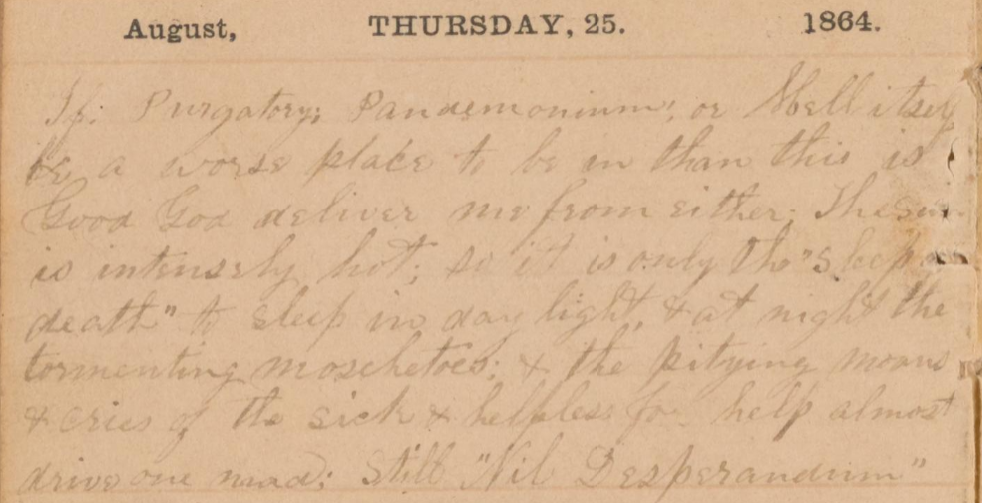
A letter talking about Andersonville Prisoner of War Camp in August 1864

Stories like this occurred everywhere in the North and the South during the Civil War. Families kept records and tales of the stories and hardships they endured during this period of the past. Telegrams, letters, notes on paper, writings in family bibles pass down their experiences and history. Let’s explore the families and civilians that kept history alive for us to know and continue to pass on to the next generation of historians.

@ 2026 Gettysburg Chronicles

Powered by PressBook WordPress theme