When visitors arrive into Gettysburg, most expect just a small town with some history that still remains. They are unaware of the amount of history that is still within the borough, the heart of downtown. Visitors and locals alike can view the battle in so many different avenues that it’s hard to find a common ground. The battlefield mainly remains untouched through the last 160+ years since the battle. Things have changed on the battlefield and around town, but the American Battlefield Trust, Gettysburg Foundation, and local preservation groups have saved land and the history that happened here. However, so many different avenues on how to explore town.
You can explore how soldiers arrived here from the south, walking from Frederick and Taneytown to Emmitsburg, and then northward to Gettysburg. You can see the topography and the hard walk that the Confederates achieved from walking from Harpers Ferry to Chambersburg to Gettysburg. If troop movements ahead of the battle doesn’t suit you, how about how they got 150,000 soldiers here from the North and the South to this little town using just dirt roads with only their shoes on their feet, wagons, and horses. No trains were used to get here.
Once everyone arrives, fighting doesn’t occur right away, you have to make camp, find food, shelter, and figure out the “lay of the land”. After a long day in the sun, walking in the heat and the humidity, soldiers want food and water. Have you noticed something about Gettysburg? There’s no large water source, just wells on farms, and Rock Creek that goes through town. Once the fighting starts, cannons and muskets litter the ground, the battle scars dot the landscape in trees and buildings, and people are injured and displaced from three days of fighting. After the battle ends, the wounded must be taken care of, but where?
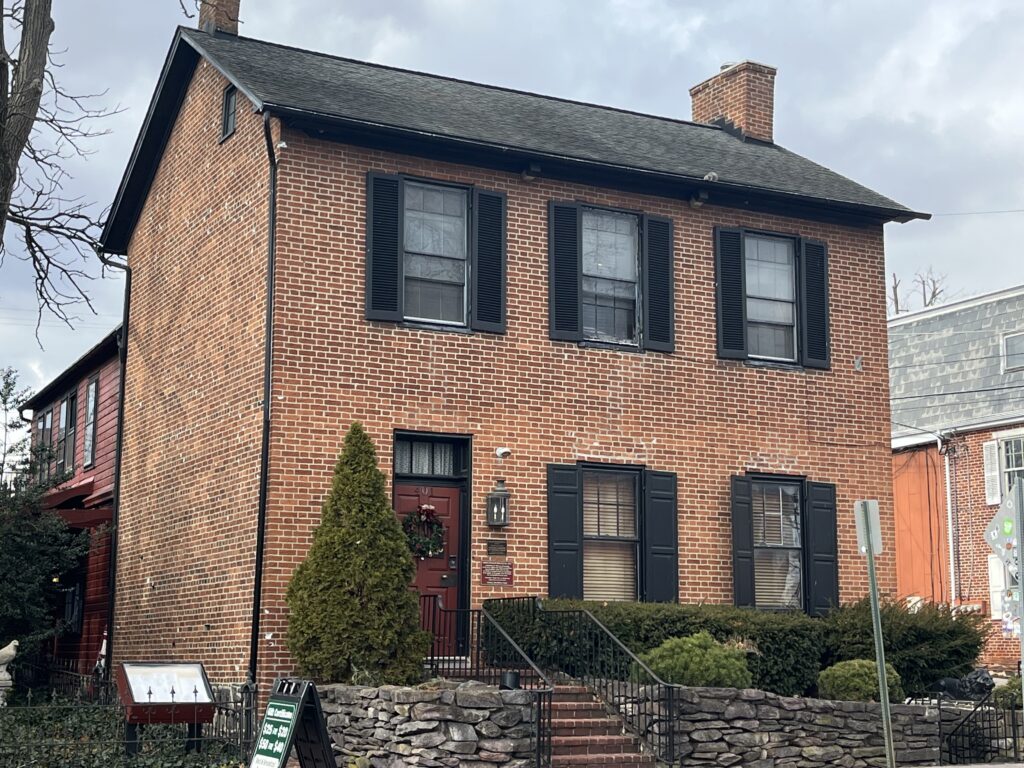
Here is the page where we can explore this and more. Every building around town was used for a hospital for soldiers, and some still have the battle scars embedded in them to this day. Some buildings have been changed on the outside, but the stories remain. Even the train stations have their history and the remembrance from the battle of Gettysburg. One was here during the battle, and the other was built for the anniversaries that have followed.
What other stories and tales does this page have? Let’s find out.